
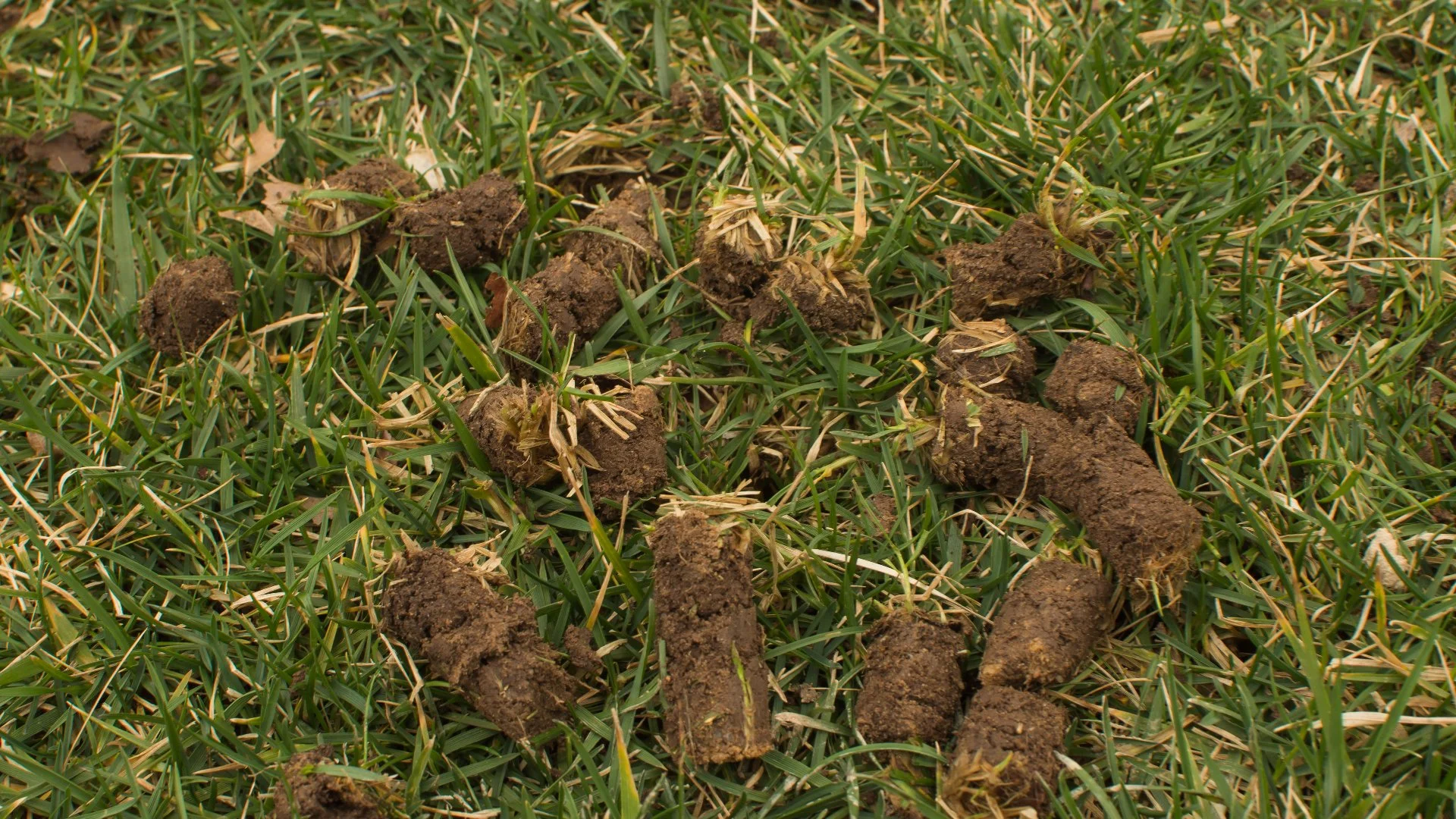
Aeration is a great way to improve the health of your lawn in Maryland, but it can leave behind clumps of soil that can be unsightly. These clumps are soil cores that are pulled up during the aeration process to loosen compaction. While you may be tempted to remove them, it's best to leave them alone! They will eventually decompose and return valuable nutrients to the soil. However, if you really can't stand the sight of them, you can break them up with a rake or mow over them to help speed up the decomposition process. You can also remove them altogether, but it's highly recommended that you don't do this, as the nutrients they provide are important for soil health.
Why are there clumps of soil on your lawn after aeration?
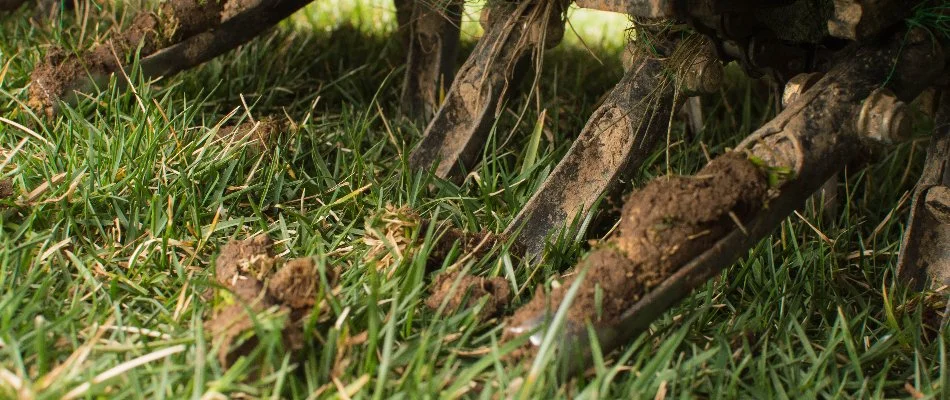
The clumps, or soil cores, appear as a result of the aeration process. During aeration, a machine perforates the soil, pulling up small plugs of soil and thatch. This action is essential in loosening soil compaction, allowing air, water, and nutrients to reach the roots of your grass. This process enhances root growth and overall lawn health.
While the sight of these soil plugs might initially be alarming, they are an integral part of the aeration process. By breaking up hard, packed soil particles, aeration promotes a more breathable and nourishing environment for your lawn.
What should you do with the soil cores left behind after aeration?
The best course of action with the soil cores left behind after aeration is simple: leave them be! Those soil cores will naturally break down over time, decomposing back into the lawn. This decomposition process is beneficial, as it returns nutrients to the soil, enriching its structure and fertility. As rainwater and regular irrigation occur, these cores will gradually disintegrate, reintegrating their valuable components into your lawn’s ecosystem.
Leaving the cores in place supports long-term soil health, improving nutrient absorption and enhancing both the texture and resilience of your turf. So, while they may be a temporary eyesore, they play a positive role in sustaining a healthier lawn.
What should you do if you really hate the look of the soil cores?
If the presence of soil cores after aeration is bothering you, there are ways to hasten their breakdown or minimize their visibility. One method is to break up the clumps using a rake. This manual action helps speed up decomposition, making the cores less visible more quickly.
Alternatively, running a lawn mower over them can help scatter and break up the soil plugs, accelerating their disintegration process. By doing this, you maintain the benefit of returning nutrients to the soil while dealing with the visual aspect in a more timely manner.
However, if neither of these options is appealing and you’re considering removing the cores altogether, it’s crucial to reconsider. Removing them can deprive your lawn of the essential nutrients they provide. It’s highly recommended to resist the urge to remove them to ensure the maximum benefit from the aeration process.
Call us today to schedule our core aeration service!
If you're looking to improve the health of your lawn, look no further than our core aeration service! At Liqua-Grow Turf, we offer this service to commercial and residential properties, as well as HOAs, in Westminster, Eldersburg, Ellicott City, and nearby areas in Maryland. Our team of experts will aerate your lawn to loosen compacted soil and create channels for air, water, and nutrients to reach the roots of your grass.
We use top-of-the-line equipment to ensure that we perform this service correctly and efficiently. You can also schedule this service from September 1st to mid-December to help your grass recover from summer. Don't wait any longer - call us today at (410) 795-7900 to schedule our aeration service and get started on improving the health of your lawn!

Comments (0)
Thanks for your comment!
Thanks for your feedback! Your comments have been successfully submitted! Please note, all comments require admin approval prior to display.
Error submitting comment!
There is a problem with your comment, please see below and try again.